Choosing a brand new pan oftentimes seems like status at a crossroads. In one direction: the time-demonstrated reliability of chrome steel, beloved by way of chefs for its warmness manage and sturdiness. In the alternative: the user-friendly liberate of nonstick, which promises strain-loose breakfasts and short cleanups. What if you'll have each? That’s the promise behind hybrid cookware like Cookcell and HexClad. Both brands pitch themselves as featuring the ultimate of both worlds - stainless steel efficiency with nonstick convenience - yet their processes, pricing, and results aren’t exact.
After spending months rotating each Cookcell and HexClad pieces thru my domicile kitchen and conversing store with fellow cooks, I’ve gathered adequate grease-splattered information to offer some genuine-international perspective. Here’s how these two hybrids examine by way of overall performance, design, toughness, and significance.
The Hybrid Revolution: Why Mix Stainless Steel With Nonstick?
For a long time, chefs confronted a exchange-off. Stainless metallic pans excel at browning meats and establishing fond, that sticky layer of flavor so main for pan sauces. They’re rugged ample to take high warmness and steel utensils yet can frustrate all and sundry seeking to turn an egg with no it sticking or tearing.
Nonstick coatings remedy the release hindrance yet come with their own luggage. Traditional PTFE-depending coatings (think Teflon) wear down over time, surprisingly if used on prime warmth or with metallic resources. And once scratched or degraded, they will’t be restored.
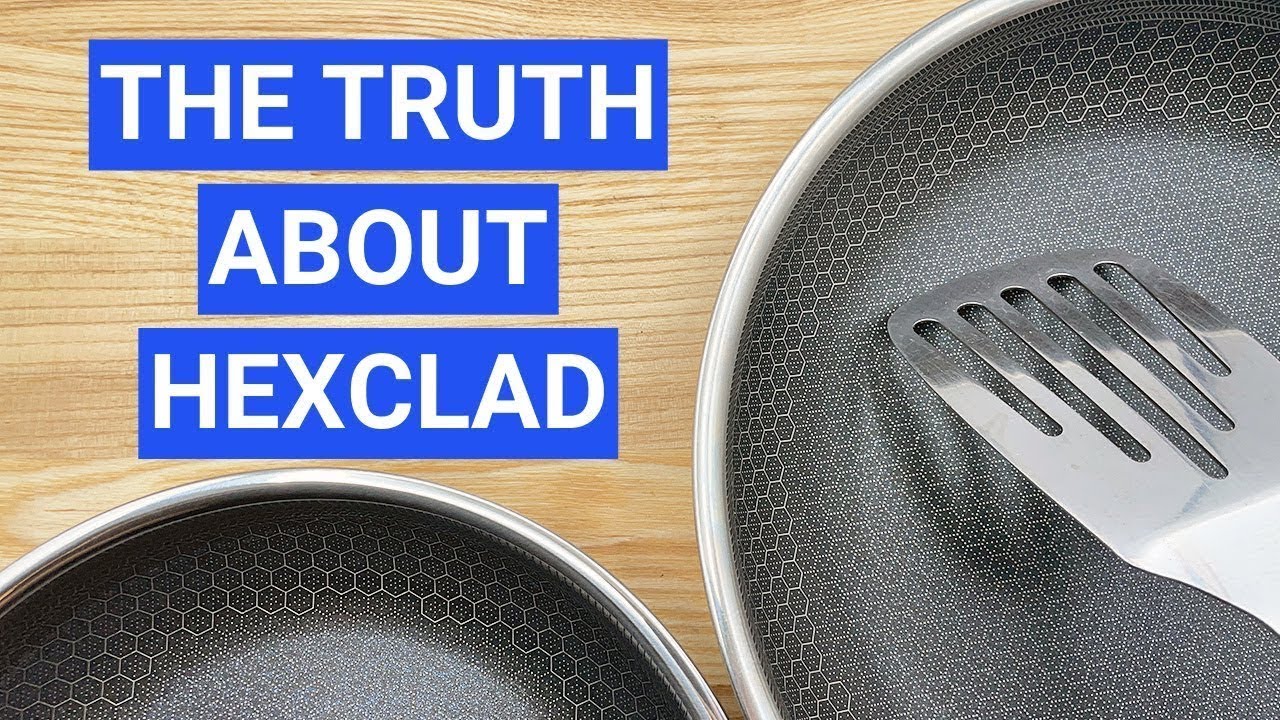
Hybrid pans like Cookcell and HexClad goal to bridge this divide employing laser-etched patterns that expose stainless steel “peaks” above a nonstick “valley.” This creates a cooking surface in which meals contacts equally resources: the steel for searing and crisping, the nonstick for more straightforward unlock.
If you cook different foods - from seared steak to mushy omelets - this procedure has obvious enchantment. But no longer all hybrids are created equivalent.
Side-by means of-Side: What Sets Cookcell and HexClad Apart?
Although either manufacturers aim an identical customers (residence chefs in need of versatility), their merchandise diverge in a couple of beneficial methods:
Construction Details
HexClad uses a tri-ply build: magnetic stainless-steel on the bottom for induction compatibility, an aluminum middle for even heating, then any other layer of stainless on most sensible. The signature honeycomb sample is laser-etched into the uppermost layer earlier than it’s lined with PTFE-founded nonstick.
Cookcell takes a rather varied direction. Their pans function a three-layer format as good: 18/10 stainless internal floor (a favorite grade among cooks), an aluminum middle, then induction-able stainless outdoor. The key visible change is within the lattice trend etched into Cookcell’s floor - more grid-like than HexClad’s honeycomb - which exposes extra metallic on regular.

In hand, both suppose good and weighty with no being unwieldy (the 10-inch sizes clock in between 2–3 lbs). Handles stay cool at stovetop temperatures but get scorching close open flames or after prolonged oven use.
Cooking Experience
Let’s talk about how those pans behave on an unquestionably stove.
HexClad heats evenly throughout its base because of that aluminum center; I hardly ever see scorching spots while browning white meat breasts or shallow-frying cutlets. The nonstick consequence is powerful out of the container - eggs slide free with minimal oil in early months - nevertheless after six months’ known use you need a dab greater fat for sensitive ingredients like crepes.
Cookcell fits HexClad in ordinary heating but seems to be to brown just rather more beneficial towards its midsection with the aid of additional-exposed steel latticework. This manner meat caramelizes superbly with less probability of stuck bits so long as you preheat properly. On eggs or pancakes, I seen in simple terms minor sticking whilst the use of butter or oil; dry-cooking is by no means beneficial in spite of company claims.
Both let use of metallic utensils according to their manuals; besides the fact that children, repeated scraping will finally mar even “scratch-resistant” surfaces over years other than months.
Cleaning Up
Here’s wherein hybrid pans promise magic: quickly cleanup devoid of babying your cookware.

HexClad recommends hand washing but tolerates dishwasher cycles once in a while (they caution it's going to stupid shine over time). Most dust slides off below hot water with a sponge; handiest burnt-on sugar or cheese required pale scouring with a nylon pad in my exams.
Cookcell is both forgiving maximum days but presentations reasonably much less staining from tomato sauce or curry via its shinier finish. Both resist discoloration more desirable than price range nonsticks yet benefit from periodic deep cleansing - Bar Keepers Friend works wonders as soon as each few weeks whenever you prefer them hunting showroom sparkling.
Durability Under Real-World Use
No pan lasts always if abused; even suitable-tier treatments will degrade quicker if overheated or cleaned carelessly.
With Hybrids like those, what matters is how gracefully they age lower than primary dwelling house prerequisites:
After one year of prevalent use (three–5 times per week), my HexClad showed faint wear along its pattern strains yet no meaningful lack of perform. Pitting changed into absent; moderate dullness built round rim edges due to stacking against different pans.
The Cookcell held up similarly nicely however retained gloss longer; perhaps using its denser lattice exposing greater naked steel between nonstick valleys. Eggs were still potential at month twelve even though not incredibly as slick as day one - approximately par for pleasant nonsticks underneath slight use.
The Achilles heel remains prime warmth misuse: crank either pan empty over max flame and you’ll eventually ruin the coating the place it sits lowest within the trend gridwork. Using moderate-to-excessive warmness alternatively preserves lifespan dramatically.
Performance With Different Foods
A pan’s really worth comes all the way down to what lands for your plate. Here are a few situations drawn from genuinely foods:
Searing proteins: Both brands carry true Maillard reactions whilst preheated thoroughly with adequate oil; thin steaks decide on up shade fast without sticking in the event you sidestep relocating them too quickly. Eggs and pancakes: Early existence favors HexClad very barely for natural slip-thing; after dissimilar washes they perform very nearly identically provided you upload fats. Acidic dishes (tomatoes/wine): Neither pan pits from quick-time period publicity notwithstanding neither is immune indefinitely. Baking/broiling: Both deal with oven temps up to around 500°F with no warping; handles grow hot so regularly take hold of potholders. Stir-fry/vegetables: Quick tosses paintings well because of rounded facets (exceedingly in their wok models); not anything clings stubbornly until cooking dry. One caveat bears repeating: no hybrid truthfully matches forged iron for crust-construction nor conventional PTFE-in basic terms surfaces for ultra-low fat egg cookery long-term. Still, these hybrids occupy an impressively extensive midsection flooring that fits most homestead demands everyday.
Comparing Price Points
Sticker surprise hits tough the following when put next to division save pans:
A unmarried 10-12 inch skillet quotes anyplace from $120–$180 based on gross sales and keep promotions. HexClad tends closer to greater pricing per piece but gives you normal bundles on line. Cookcell mostly undercuts via $10–$30 at considerable retailers. Sets be offering financial savings per piece however represent higher investments up front ($three hundred–$600+). Are they price it? If you’re replacing two or 3 scale back-give up pans every few years on the grounds that coatings flake or warp develops, investing once starts offevolved making feel financially round year three or four headquartered on overall alternative premiums spoke of between serious house cooks I realize in my view.
Design Choices That Matter
While aesthetics aren’t everything in cookware, there are small touches really worth noting:
Handles are riveted securely on both manufacturers; neither wobbled after dozens of dishwasher runs. Lids come tempered-glass general for so much sets however some distinctiveness items send lidless. Pouring lips are gift on targeted sizes (mainly sauté shapes), helping keep an eye on messes throughout the time of sauce discounts. Induction compatibility covers all current items tested. Stacking isn’t best considering that hybrid styles differ quite in peak—plan garage accordingly if space-starved. These may possibly sound minor until eventually you’re juggling warm saucepans mid-recipe or need each inch inside of your cabinets.
When To Choose One Over The Other
Not each and every kitchen wishes or wants hybrid era around the globe — in certain cases specialized resources serve bigger than jack-of-all-trades equipment — yet here are cases wherein every single shines:
Choose Cookcell if:
You want extra browning vigour for proteins
You choose marginally less demanding cleaning after acidic sauces
https://www.cookwarereviewhub.com You pick glossy finishes that conceal wear longer
Choose HexClad if:
You love ultra-easy egg flipping straight out of the box
You often purchase units for the period of promotional periods
You lean toward heavier lids/pans that hang heat moderately longer
Both make credible well-known workhorses if dealt with good — that means reasonable warmness utilization, generic smooth cleaning, occasional deeper scrubs — provided that you don’t are expecting miracles on 0-oil omelets after years of abuse.
A Quick Comparison Table
| Feature | Cookcell | HexClad | |---------------------|-----------------------------|----------------------------| | Surface Pattern | Grid lattice | Honeycomb | | Interior Material | 18/10 Stainless + PTFE | Stainless + PTFE | | Core | Aluminum | Aluminum | | Induction Safe | Yes | Yes | | Dishwasher Safe | Yes* | Yes* | | Warranty | Limited Lifetime | Limited Lifetime |
*Occasional dishwasher use advised by way of brand; commonly used cycles may additionally stupid end over years.
Common Questions About Hybrid Pans
Having fielded plenty of questions from buddies weighing “cookcell vs hexclad,” I understand designated topics repeat:
Do hybrids quite exchange pure nonstick? Not fully—in case your predominant intention is daily fat-unfastened omelets for years on cease, conventional PTFE-simply surfaces remaining longer in the past dropping slipperiness (assuming mild coping with). But hybrids outperform common nonsticks around the globe else with the aid of tolerating greater warmth and rougher medicine without prompt failure.
Will food stick anyway? Sometimes—in particular if preheating is skipped or no oil/fat is used at all—however a long way much less than simple stainless steel might under equivalent instances. Mastering preheat timing solves most points inside of days of follow.
Can I deglaze these pans? Absolutely—simply stay away from gouging immediately at full boil with sharp-edged spatulas.
A Simple Checklist Before You Buy
If you might be torn between Cookcell and HexClad (or any hybrid), evaluate this transient record:
What do you prepare dinner more commonly? How tolerant are you approximately hand-washing versus dishwashing? Do aesthetics count plenty—will noticeable scratches annoy you? Is induction compatibility required now or soon? Are bundled set deals nice looking—or do you choose shopping for singles?Running thru those questions narrows options temporarily—and will reveal no matter if sticking with vintage forged iron/skillet plus one midrange nonstick may well serve simply as nicely.
Final Thoughts From Daily Use
Neither Cookcell nor HexClad reinvents normal chemistry—the legislation governing browning reactions haven’t transformed—however they do present whatever thing simply powerful for busy dwelling chefs who crave flexibility without fussing over fragile coatings each meal.
After enormous quantities of breakfasts flipped onto plates at break of day previously tuition runs—and just as many moved quickly dinners cooked while chasing closing dates—I in finding myself reaching ordinarily for whichever hybrid pan occurs to be clean at arm's reach that night time rather than obsessing over manufacturer labels stamped below.
In short: equally ship what they declare is reasonably if handled accurately—and both may perhaps anchor many kitchens searching out one dependable software that bridges way of life with convenience simply adequate to make weeknight cooking less difficult without sacrificing too much pleasure alongside the way.